

What Are Cannabinoids and What Do They Do?
Cannabinoids are natural chemical compounds found in a viscous resin produced in glandular trichomes in the cannabis plant. They interact with your body through receptors that are part of our natural endocannabinoid system. According to different sources, there could be over 60, and up to 140 cannabinoids.
Is THC a cannabinoid?
Yes, it is — and it's probably the most well-known of the list of cannabinoids, although CBD is also getting a lot of recognition. [Source]
CBD and THC are just the start and scientific research is ongoing to uncover the benefits and properties of all of the cannabinoids, from CBC cannabinoids to THCA and many others. [Source]
How Many Types of Cannabinoids are There?
Nearly everyone who knows about cannabis knows the best-known of the cannabis cannabinoids: THC, aka tetrahydrocannabinol, but how many types of cannabinoids are there? Cannabinoids are one type of molecule found in the cannabis sativa plant. [Source]
Overall, Cannabis sativa contains about 600 different molecules, but out of these, how many cannabinoids are there? About 140 are classified as cannabinoids. They are the alkaloid compounds in cannabis that can influence your body's natural endocannabinoid system.
There are three main classifications of cannabinoids:
Phytocannabinoids - found in cannabis stalks, leaves, flowers, seeds, and resin
Endocannabinoids - cannabinoids made by the body
Synthetic cannabinoids - lab-created cannabinoids (like prescription medications)
We'll be talking about the phytocannabinoids that come from the cannabis plant itself. Some of the different phytocannabinoids come from the living plant (before it's dried or smoked). These compounds can and do change their chemical composition depending on if the plant is dried, smoked, or ingested in other ways. [Source]
A cannabis dispensary like RISE Cannabis is going to offer a lot of choices in medical cannabis. We can help you in understanding cannabinoids, where they come from and their potential benefits for you.
Terpenes vs. Cannabinoids
You've probably heard about terpenes. These chemical compounds are found in cannabis along with many other plants and natural substances. Produced in the same glandular trichomes as cannabinoids, terpenes are responsible for the fresh smell of lemons and oranges when you peel them. They are the source of "aromatherapy," and they create the distinctive smell of different cannabis strains.
As one example, limonene terpene is found in citrus fruits and some cannabis strains. Terpenes do have health and other benefits, but they're not the same as cannabinoids. [Source]
What's the relationship between Indica, Sativa and Cannabinoids?
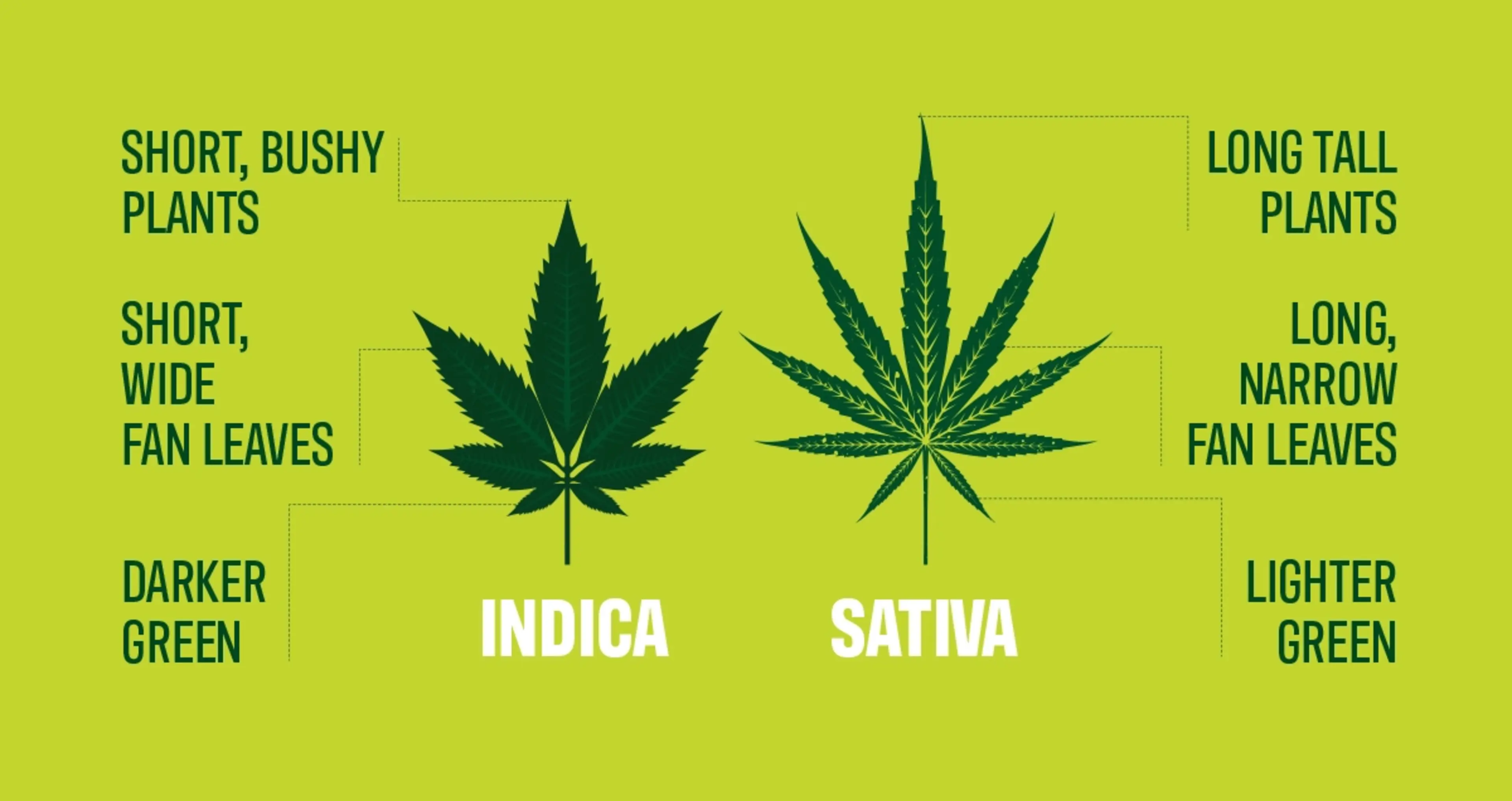
People talk about the different "highs" of indica and sativa, and your cannabis dispensary can definitely share different uses for different strains of medical cannabis. Indica strains often, but not always, have a higher CBD content than many sativa strains.
Beyond these general names, each different strain has a different cannabinoid profile, and depending on your needs, may benefit you in different ways.
Understanding the different cannabinoids can help you work with your cannabis dispensary to discover the benefits of cannabis that are right for you.
What do Cannabinoids Do?
Cannabinoids bind to natural receptors (cells that react to proteins and other molecules) in our central nervous system and peripheral nervous system. These receptors are specific cells that are located in our brain, and everywhere else throughout our body. The main types are called CB1 and CB2 receptors. [Source]
Some cannabinoids bind to CB1 receptors which are located primarily in the brain. The best-known cannabinoid, THC, binds with these receptors and produces the psychoactive effects people are familiar with from cannabis (cannabis) use. The next-best-known cannabinoid, CBD, binds primarily with CB2 receptors, and has physical effects, not psychoactive effects. Most of the effects of cannabinoids are physical, not psychoactive. [Source]
What is the Endocannabinoid System (ECS)?
Our bodies have a large endocannabinoid system that includes specialized receptor cells in the brain and throughout the rest of our bodies, including our digestive system, different organs, muscles, and skin. Scientists first discovered the endocannabinoid system in the early 1990s. Research on the health benefits of cannabinoids and how they affect our bodies through the endocannabinoid system continues. [Source]
One thing people should be aware of about the endocannabinoid system (ECS) is that it's part of our body, and our bodies make endocannabinoids naturally in addition to the cannabinoids that can be present in cannabis. So, the ECS is active and influences our daily lives whether or not someone uses cannabis or cannabinoids.
The ECS includes the cannabinoid receptors, CB1 and CB2, and they have an influence on complex body functions. Cannabinoids and endocannabinoids bind to receptors and regulate different body functions. Some of them prevent other substances from influencing the receptors and body functions. Overall, research has shown that the ECS is linked to the following processes in the body:
Appetite and digestion
Metabolism
Pain
Inflammation and immune responses
Mood
Memory and learning
Motor control
Sleep
Cardiovascular system
Muscle formation
Bone growth and health
Liver function
Reproductive system/fertility
Stress
Skin and nerve function
Researchers now believe that the main function of the ECS is to help our bodies maintain homeostasis. Homeostasis is a biological or medical term that refers to "stability and the ability to function healthily in your environment." [Source]
How do Cannabinoid Receptors work?
Our bodies have two main types of cannabinoid receptors, CB1 and CB2. It's possible there are more types of receptors that haven't yet been discovered. Cannabinoid receptors are influenced by cannabinoids in different ways. For example, THC binds to both CB1 and CB2 receptors, and affects both the brain and the body.
The other well-known cannabinoid, CBD (cannabidiol), doesn't bind to CB1 or CB2 receptors in the same way as THC. It reacts with the ECS in a more complex way that's still being researched. However, its effects include a variety of potentially beneficial physical and mental benefits, from improving sleep and relieving pain, to reducing anxiety and improving concentration. [Source]
Understanding the Entourage Effect
What is the Entourage Effect?
Research is still ongoing on how, exactly, cannabinoids affect the body and mind. You've probably heard about the "Entourage Effect," which refers to the way that the large number of cannabinoids and other natural compounds in cannabis work together in synergy. Most often, "entourage effect" is used to refer to the way cannabis can help to relieve pain. Bottom line: scientists already know that a lot of people benefit from cannabinoids working together rather than from using any one single cannabinoid alone.

List of Major Cannabinoids and Their Effects
Some cannabinoids are better-known than others. We're going to give you the run-down on the ones you know, and give you a list of major cannabinoids, including ones that you might not have heard of yet. [Source]
CBD
Cannabidiol (CBD) is an international health phenomenon, leading to billions of dollars in sales and thousands of different products. CBD works in the body in a complex way, and it's primarily bioactive, not psychoactive. Research has begun to show that it can benefit pain, improve sleep, reduce anxiety, and improve many other health conditions.
THC
Tetrahydrocannabinol (THC) binds to both CB1 and CB2 receptors, and it has psychoactive and physical (bioactive) effects. Its best-known effect is the "high" effect, but it may also improve appetite, relieve pain and anxiety.
CBGA (Cannabigerolic acid)
CBGA, like CBD, doesn't produce intoxication. Some researchers call CBGA "the mother cannabinoid" because it is a precursor for some other cannabinoids. Research is ongoing to discover if it can relieve anxiety and pain, and combat inflammation and infection in humans. Most of the experiments done on CBGA are animal experiments, which have shown that it may relieve inflammatory bowel disease and slow the growth of brain cancer cells in mice. Lab experiments have shown that CBGA (along with CBD) can kill MRSA, the antibiotic-resistant staph infection.
THCA (Δ9-tetrahydrocannabinolic acid)
Did you know there's a type of THC that won't make people "high"? There is: THCA. THCA sounds like THC, but it's actually "pre-THC" - it's tetrahydrocannabinol acid, found in the living cannabis plant. The compound slowly turns into THC as the plant dries or quickly becomes THC when it's heated (smoked or vaped).
Research is just beginning on THCA but it's known to be non-intoxicating. Emerging research shows that it could have benefits for inflammation and neuroprotection for degenerative neurological diseases. Early studies have also shown it could potentially reduce nausea, improve appetite, and might have some benefits to slow the spread of prostate cancer.
CBDA (Cannabidiolic acid)
CBDA is another compound found in living cannabis plants. CBDA doesn't bind to CBD1 or CBD2 receptors. Instead, it inhibits enzymes that influence the ECS system. Emerging research is beginning to show that CBDA can potentially reduce inflammation, improve nausea and vomiting (especially after chemotherapy), and affect serotonin levels. Serotonin is a neurochemical that affects sleep, motor skills, mood, appetite, and digestion. Research is ongoing into whether or not CBDA might have potential similar to NSAIDs anti-inflammatory properties.
CBCA (Cannabichromenenic acid)
CBCA is a chemical precursor to CBC, and it's also another chemical step descended from CBGA. CBC is one of the phytocannabinoids that comes from the cannabis plant. CBCA was first discovered in 1966, but research into its benefits is limited. It's possible that CBCA could have antibacterial properties, and could have analgesic (pain relieving) properties, but research is still ongoing.
CBGVA (Cannabigerovarinic acid)
CBGVA is the precursor of CBGV or cannabigerovarin. Like the other acid precursors, it is found in the living cannabis plant or raw cannabis flower and transforms when exposed to heat. It is non-psychoactive, like most cannabinoids. However, research is very limited on this cannabinoid, so its effects are not yet well-known.
THCVA (Tetrahydrocanabivarinic acid)
THCVA is a precursor to THCV, tetrahydrocannabivarin, and is similar to the other cannabinoids that come from the raw flowers of the cannabis plant. THCVA can potentially benefit pain relief and reduce inflammation. THCV has been studied more than THCVA, and some research studies show that it can have benefits in reducing overeating and obesity. Other potential benefits of THCV (and potentially THCVA) that are being studied include relief for PTSD, degenerative neurological illnesses like Alzheimers, and depression and anxiety.
CBDVA (Cannabidivarinic acid)
CBDVA is the chemical precursor to CBDV, and both are similar to cannabidiol (CBD). It, like other cannabinoids, remains under study, but it could potentially have anti-seizure benefits similar to the synthetic cannabinoid drug, Epidiolex. CBDVA is not intoxicating, and research is ongoing into its anticonvulsant benefits, and benefits for inflammation in the gut and brain.
CBCVA (Cannabichromevarinic acid)
CBCVA (Cannabichromevarinic acid) is considered one of the major acids found in the cannabis plant, and, like other cannabinoids found in the living plant, isn't psychoactive/intoxicating. It is being researched for its potential benefits for seizures, muscle spasticity, and pain symptoms related to disorders like multiple sclerosis (MS).


What are the Health Benefits of Cannabinoids?
The endocannabinoid system (ECS) influences so many different types of body functions, including basic homeostasis or balance, that cannabinoids might have almost limitless health benefits. However, because many of these compounds haven't been fully-researched, many health benefits are still being studied.
The National Center for Complementary and Integrative Health reports that lab-created cannabinoid medicine (approved by the FDA) may treat epilepsy, nausea and vomiting from cancer chemotherapy, and HIV/AIDS weight loss and loss of appetite.
A 2017 study conducted by the National Academies of Science, Engineering, and Medicine concluded that there was conclusive, substantial evidence that cannabinoids from the cannabis sativa plant could benefit:
Chronic pain in adults
Nausea and vomiting from chemotherapy
Multiple sclerosis spasticity
The National Academies of Science, Engineering, and Medicine study also found moderate evidence for cannabinoids benefiting:
Sleep outcomes in people with obstructive sleep apnea, fibromyalgia, chronic pain, and multiple sclerosis.
Other conditions with limited evidence for cannabinoid benefits include:
Increasing appetite and decreasing weight loss in people with HIV/AIDS
Improving clinician-measured MS symptoms (as opposed to patient reports)
Improving Tourette syndrome symptoms
Improving anxiety and PTSD symptoms
The NIH reports that cannabinoids have no evidence for improving glaucoma or dementia, and they also say that there's little evidence that they can improve outcomes after a traumatic brain injury (TBI), but again, the studies use lab-created medications not natural cannabis sativa derived cannabinoids.
There are a number of studies under way to discover more about how cannabinoids could benefit acute and chronic pain (studies show cannabinoids may relieve pain from a variety of causes), epilepsy (Epidiolex is an EPA-approved synthetic cannabinoid based on CBD for child epilepsy), substance use disorders (particularly opioid dependency), cancer and cancer symptoms, multiple sclerosis (MS) symptoms, schizophrenia and psychosis, sleep disorders, Alzheimer's and dementia, and post-traumatic stress disorder (PTSD).
Must-Try Cannabis Products
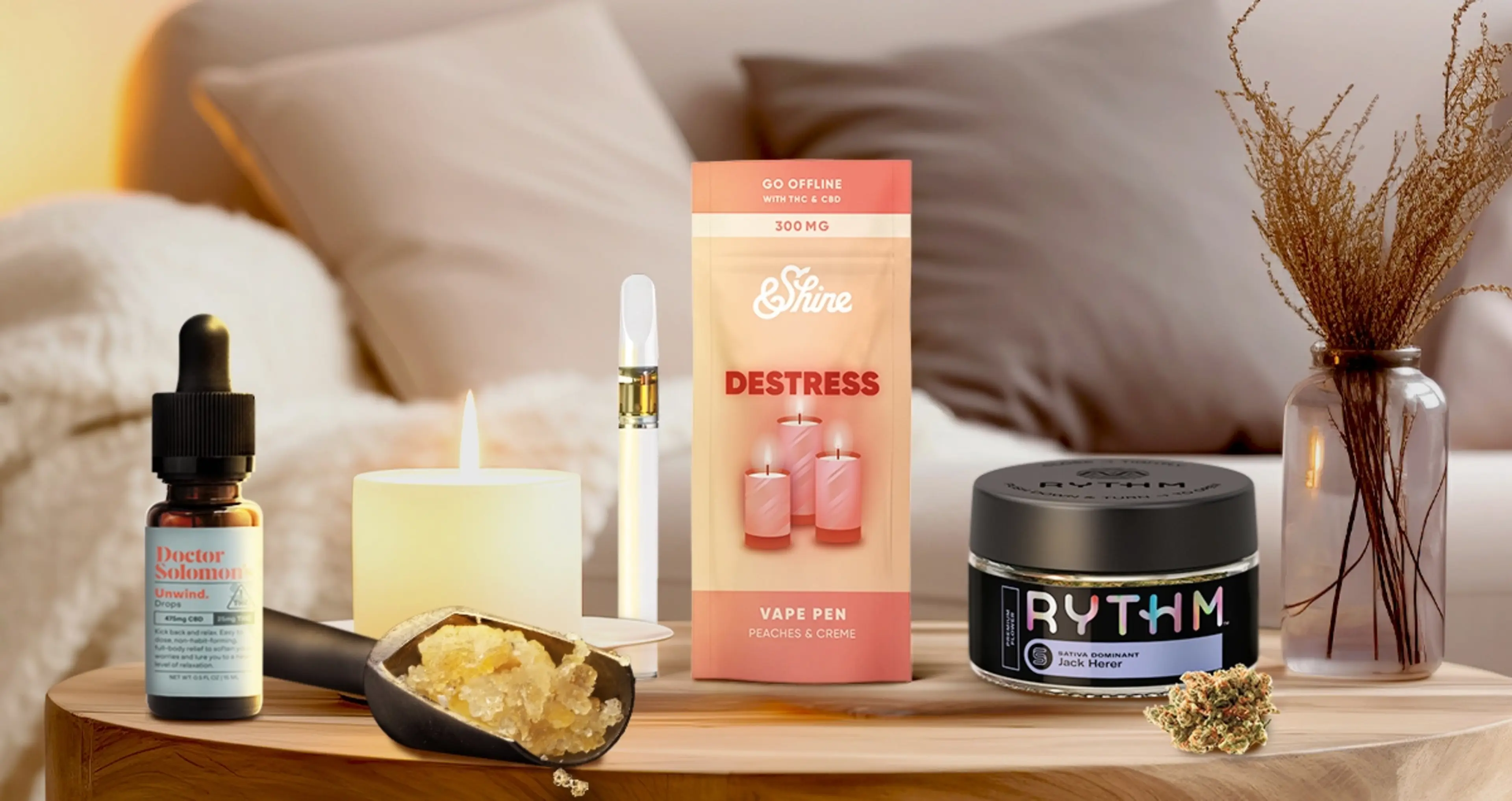
CBD Products
Doctor Solomon’s Tincture 20:1 Unwind
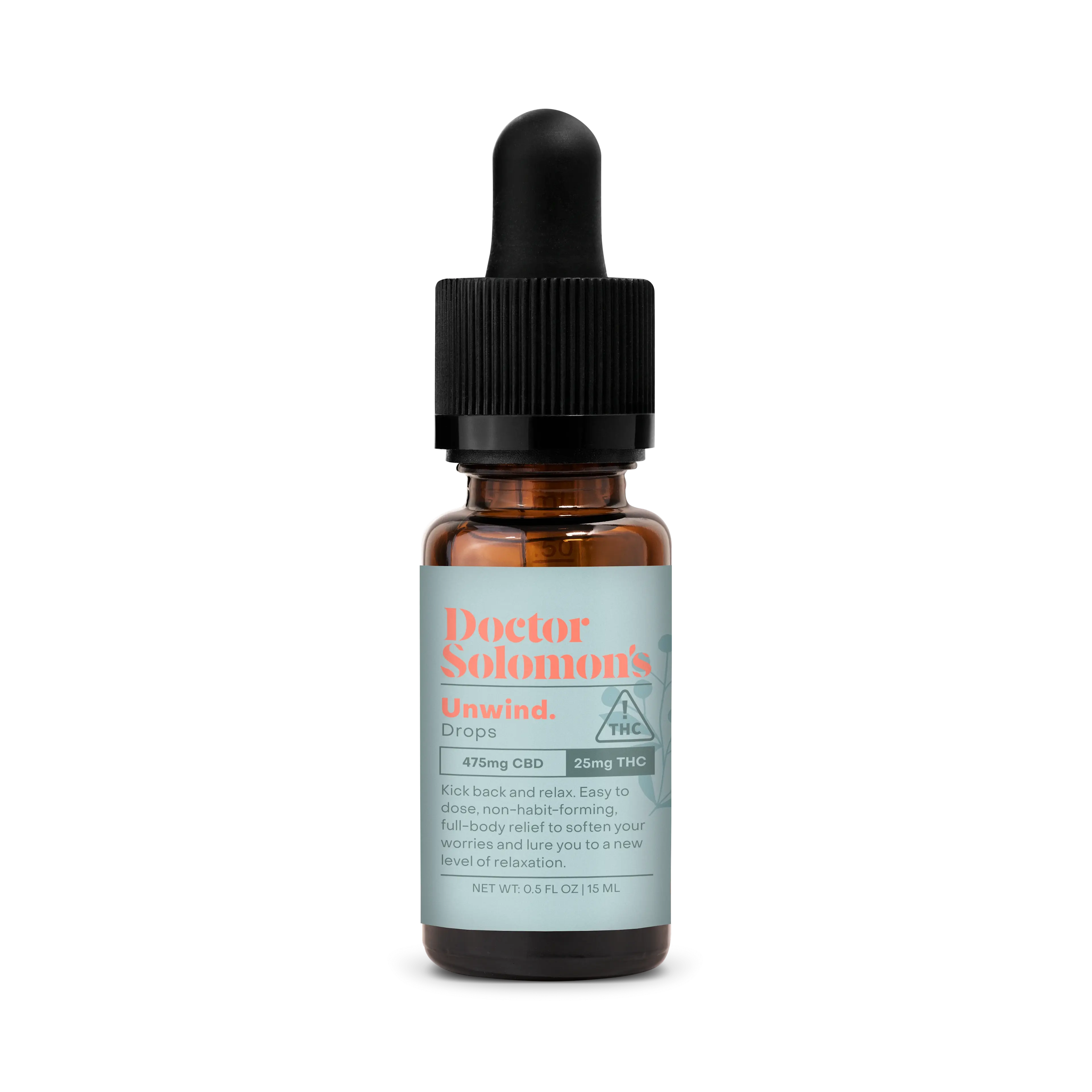
Available in IL, VA, OH, NV, MA, FL
Doctor Solomon’s Tincture 20:1 Unwind is a premium CBD product designed to help you achieve ultimate relaxation. With a potent blend of 550mg CBD and 25mg THC in a 15ml bottle, this tincture provides a balanced experience that promotes relaxation without causing a high. The high CBD to THC ratio ensures a calming effect and helps support general well-being. Perfect for unwinding after a long day, this tincture is easy to dose and non-habit forming, making it an ideal addition to your wellness routine. Experience the soothing effects that can elevate your relaxation to a new level!
&Shine Disposable 300mg Destress

Available in IL only
The &Shine Disposable 300mg Destress vape pen is a hybrid product available exclusively in Illinois. With 71.82% THC and 10.24% CBD, this disposable vape pen offers a balanced blend of cannabinoids that promote relaxation and a blissful state. Ideal for those seeking a convenient and effective way to manage stress and support a calm mind, &Shine Disposable Destress delivers a calming experience without the need for preparation or cleanup. The high THC content ensures potent effects, while the CBD provides a counterbalance for a harmonious experience. Enjoy a peaceful state that helps you unwind and find your inner peace!
Rythm Flower Brownie Scout

Available in IL, FL, OH, MA, NV, MD, MN, NJ, NY, PA, VA
Brownie Scout by Rythm Flower is an award-winning indica strain known for its powerful effects and rich flavor profile. This strain delivers an intense initial surge that transitions into a deep, tranquil state, making it one of the most potent indicas available. With high-THC levels ranging from 26-30%, Brownie Scout offers a robust experience that is perfect for seasoned cannabis enthusiasts. The complex taste and aroma blend notes of spice, chocolate, and earth, creating a uniquely satisfying smoke. Featuring top terpenes like limonene, myrcene, and caryophyllene, this strain provides a comprehensive sensory experience.
THCa Products
Organic Remedies Diamond THCa Topper
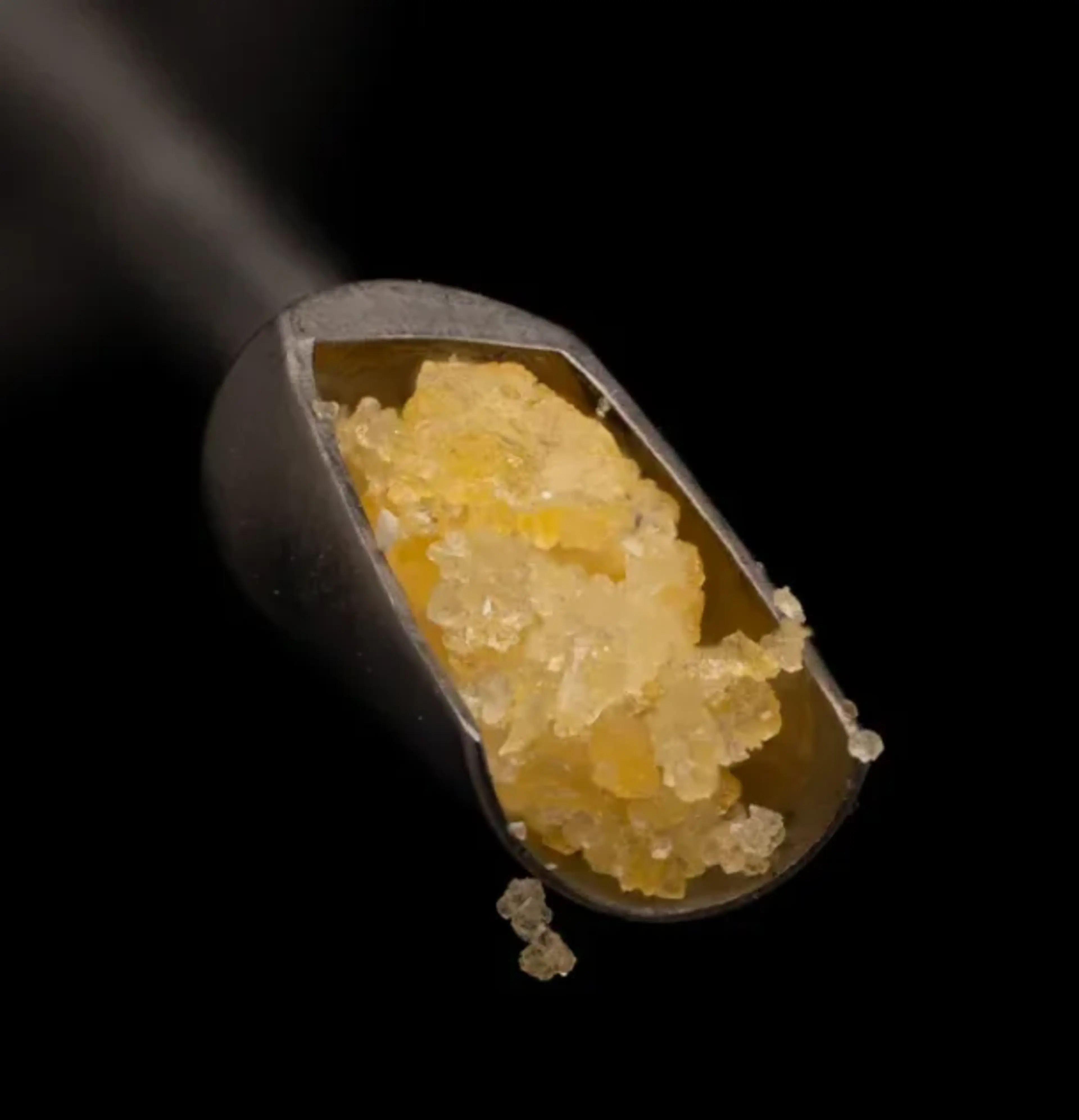
Available in PA
Organic Remedies Diamond THCa Topper is a premium cannabis concentrate available in Pennsylvania. This product is crafted using cold-refined and cold-filtered techniques with anhydrous ethanol, preserving naturally occurring acid-form cannabinoids. The extraction process also maintains the natural cannabis terpenes, which can be reintroduced after isolation from the parent plant material. With cannabinoid content ranging between 65% and 90% and terpene content between 3% and 7%, this concentrate offers a potent and flavorful experience.
Rythm Flower Jack Herer

Available in NV, NY, IL
Jack Herer by Rythm Flower is a sativa-dominant classic strain known for its uplifting effects and delightful aroma. With a sweet-tart lemon-berry nose, Jack Herer provides a refreshing and invigorating experience. The strain features a balanced cannabinoid profile with THCA levels between 20-24%, ensuring a potent and energizing high. Top terpenes like caryophyllene, myrcene, and pinene contribute to its distinctive taste and aroma, blending notes of citrus, pine, and spice. Ideal for daytime use, Jack Herer can improve focus and elevate mood, making it perfect for those seeking an inspiring cannabis experience that keeps you motivated and upbeat!
Buying THC: Dispensary vs. DTC Retailer
People can buy THC products from a licensed dispensary or straight from a direct-to-consumer (DTC) retailer. There are pros and cons to both, but here are some strong reasons to buy from a pharmacy.
Quality and Safety
One of the best things about buying THC from a licensed dispensary is that you're confident it is both safe and high-quality. In order to stay in compliance with strict state rules, licensed dispensaries are required test cannabis products they sell for both potency and contaminants. In other words, you can be sure that the THC goods you buy at a dispensary are safe and have proper labels.
Expert Guidance
There are skilled budtenders working in dispensaries who can help you choose the best THC products for your needs. Budtenders can suggest products based on your personal tastes, how well they work, and whether you want something to help with pain, anxiety, or just relaxing. Stores that sell directly to consumers (DTC) don't usually offer this kind of personalized service.
Legal Compliance
Licensed dispensaries are required to strictly follow rules and the state laws, so you know that you are following the state's rules on cannabis use when you buy THC from a registered dispensary.
Product Variety
Cannabis dispensaries offer a wide variety of THC products, like flower, edibles, concentrates, vapes and more. With this much choice, you can pick the product that fits your tastes and the results you want. There are some direct-to-consumer (DTC) stores that may sell a variety of Delta-9 items, but usually not as many as you would find at a dispensary.
Community Support
When you buy from a local dispensary, you help your neighborhood and the locally-based economy. Dispensaries often engage in community outreach and education, as well as help make cannabis use more socially acceptable and encourage responsible use.
Traceability and Transparency
You can track a dispensary product back to its source, which lets you know exactly where and how it was made. Having this much information about the goods you use helps you trust your dispensary more.
While purchasing Delta-9 products from a DTC retailer might offer convenience, buying THC from a licensed dispensary provides numerous benefits, including quality assurance, expert guidance, legal compliance, product variety, community support, and greater transparency. These factors make dispensaries a safer and more reliable option for your THC needs.
If you still have questions or just need a consultation to figure out the best strain for you, don’t hesitate to visit Rise Cannabis Dispensaries!
Why Buy From a Dispensary?
There are many reasons to buy from a trusted dispensary. Buying cannabis at a licensed dispensary such as RISE is more than just about convenience—it’s about taking control and knowing exactly what you’re getting. When you’re choosing between dispensary and blackmarket cannabis, here’s why going legit makes all the difference:
Consistent Cannabinoid Content: Consistency is one of the main reasons why you want to stick with a licensed dispensary. Are you looking for specific levels of THC, CBD, or other cannabinoids? Dispensaries ensure that each batch is lab-tested and consistent. This means that you can expect the same effects every time you purchase a product—no guesswork allowed, and the potency will be the same with each batch.
Clear Terpene and Minor Cannabinoid Profiles: Top dispensaries don't limit the information you get with major cannabinoids. You can always learn about the contents of your purchase on its label, be it the cannabinoid profile or terpenes. This transparency helps you understand the full range of effects you might experience, thanks to the "entourage effect" where cannabinoids and terpenes work together to influence the product’s impact.
Variety of Products and Cannabinoid Ratios: Blackmarket vendors can't possibly offer the same variety of products that licenced dispensaries have. Dispensaries offer a wide range of strains and products to choose from, whether you're looking for a high-THC strain or CBD-only product.
Buying from a licensed dispensary ensures that you’re getting consistent, tested products with accurate cannabinoid information. Whether you’re after specific effects from THC, CBD, or minor cannabinoids like CBG or CBN, dispensaries offer the transparency and safety you need to make informed decisions.


