


What Are Cannabis Terpenes and What Do They Do?
Have you ever noticed how some cannabis strains have names that could be straight out of a gourmet kitchen, like "Papaya Cake" or "Lemon Meringue," while others have more unconventional names like "Sour Cheese" or "Burnt Toast"? This variety in naming is all thanks to the fascinating world of cannabis terpenes. These natural compounds are the unsung heroes behind the distinctive aromas and flavors of different cannabis strains, offering a spectrum from fresh and fruity to deep and earthy.
Terpenes in cannabis have long been a discussion among horticulturalists hese natural compounds are at the forefront of research for both horticultural experts and medical scientists, attracting attention for their role in enhancing the cannabis experience. Beyond their captivating aromas, terpenes are crucial in defining the unique effects and qualities of each cannabis strain. If you're intrigued by how terpenes influence your cannabis journey, you're in the perfect place to explore.
If you’ve ever wondered about cannabis terpenes and their effects, the folks here at RISE have everything you need to know.

Cannabis Terpenes 101: What are Terpenes?
Terpenes are aromatic compounds found in almost every flower, herb, and fruit grown across the globe. In fact, there are more than 200 types of terpenes found in the cannabis plant alone. Much like other flowers, cannabis flowers develop terpenes to ward against predators and attract pollinators.
What’s so special about cannabis terpenes?
In cannabis cultivation, terpenes are responsible for the unique scents of different strains. Each terpene adds a specific fragrance, much like how different plants have their own distinct smells. For example, a strain like Lavender Kush doesn’t just randomly bear its name; it actually carries a scent similar to that of lavender.
This aspect of cannabis is more than just an interesting feature; it allows individuals to identify and appreciate the variety of aromas in different strains. The presence of these terpenes is a subtle yet significant part of the overall cannabis experience, offering a practical way to differentiate between various options based on scent.
Beyond their aromatic nature, cannabis terpenes also offer potential therapeutic benefits and positive psychological effects. Terpenes in cannabis have been known to interact with other organic compounds, including tetrahydrocannabinol (THC), to amplify or balance the effects of various cannabis strains. [source]
This phenomenon is widely recognized as the "Entourage Effect." Now, let's take a closer look at what this really means.

The Entourage Effect: How Do Terpenes Work?
So, we've tackled the "what" of terpenes. Now, let's get into the "how." On their own, terpenes are the all-stars of aroma, often used in aromatherapy and essential oils to jazz up our senses with their scents. But when they're part of the cannabis plant, they play a different tune, adding a unique twist to the overall experience.
Terpenes are known to support other cannabis molecules — and can amplify the therapeutic properties of cannabinoids like CBD and THC. This is known as the entourage effect.
In short, this effect is the synergy formed between terpenes with cannabinoids like THC and CBD to create stronger effects than both would achieve on their own.
Certain terpenes can intensify the potential effects of other cannabinoids two to four times greater than an isolated compound. cannabis terpenes can also “balance” the potential effects of a cannabinoid like THC.
Let’s take a deeper look at how terpenes in cannabis interact with the human body.

How Do Terpenes Interact with the Human Body?
Terpenes in cannabis are more than just contributors to its aromatic profile; they play a significant role in how the plant interacts with the human body. These natural compounds, while small, play a substantial role in shaping our experience with cannabis, not just in what we smell or taste, but in how they resonate with our internal systems.
Beta-caryophyllene is a unique terpene known for directly interacting with the endocannabinoid system (ECS) by binding to the CB2 receptor. This interaction offers potential anti-inflammatory benefits. Other terpenes, while not directly engaging with the ECS as beta-caryophyllene does, contribute to the overall therapeutic properties of cannabis. [Source]
Terpenes also influence the brain's neurotransmitter systems, interacting with receptors that regulate mood and emotional states. [Source]
For instance, linalool is known for its calming effects, potentially affecting GABA receptors. [Source]
Limonene, with its citrus scent, may impact mood and stress levels through serotonin and dopamine. [Source]
Some terpenes mimic natural opioids, offering pain relief, while others like pinene and humulene show anti-inflammatory properties. This multifaceted interaction highlights the importance of terpenes in cannabis consumption, affecting mood regulation, pain perception, and inflammatory responses. [Source]
As research continues, especially with human studies, our understanding of these compounds and their potential health benefits is expected to deepen.
Where Can You Find Terpenes in Cannabis Plants?
Where Can You Find Terpenes in Cannabis Plants?
In cannabis plants, terpenes are primarily found in trichomes, the small, sticky structures visible on the surface of the flowers, and to a lesser extent on the leaves and stems. Trichomes are responsible for producing the plant’s various compounds, including terpenes. Terpenes themselves originate from isoprene molecules within these trichomes. While these molecular beginnings of terpenes are too small to be seen unaided, the trichomes can be observed as a distinct feature of the plant, especially noticeable on the flowers. [Source]
How Are Terpenes Different from Cannabinoids or Flavonoids?
How Are Terpenes Different from Cannabinoids or Flavonoids?
The cannabis plant consists of a wide variety of compounds. Several of these compounds, including terpenes, are created within trichomes. However, trichomes are also where other compounds, like flavonoids and cannabinoids, are made.
Let’s take a look at how terpenes are different from cannabinoids and flavonoids.
Cannabinoids: Interact with our body’s receptors and create numerous psychoactive and therapeutic effects. Core cannabinoids include tetrahydrocannabinol (THC) and cannabidiol (CBD).
Flavonoids: Contribute to the pigmentation and flavor of a cannabis strain and offer unique therapeutic benefits, including antioxidants.
Terpenes: Responsible for the aroma and flavor of a cannabis strain and support cannabinoids (THC and CBD) in producing psychoactive and therapeutic effects.
Though cannabinoids, flavonoids, and terpenes play a distinct role within the cannabis plant, they work best together. In the world of cannabis, this is referred to as “the entourage effect.” [source]
Do Terpenes Determine if a Strain is Indica vs. Sativa?
The relationship between terpenes and the categorization of cannabis strains as Indica or Sativa is more complex than often portrayed. Terpenes themselves are not classified as either Indica or Sativa. However, they do play a significant role in determining the effects of a cannabis strain. The type of terpenes present in a strain, as well as the concentration of the terpenes, can determine the type of high you experience.
The terms 'Indica' and 'Sativa' originally referred to the plant's structure and geographic origin, not necessarily its effects. 'Indica' plants, which are short and bushy, were associated with the Hindu Kush region in India, while 'Sativa' plants, which are tall and narrow-leaved, originated from equatorial countries. Over time, these terms have been used to describe the perceived effects of cannabis strains—Indica for calming and Sativa for stimulating effects. However, this usage is overly simplistic and not entirely accurate.
Contemporary research suggests that it's the combination of cannabinoids and terpenes, known as the 'entourage effect', that determines the effects of a cannabis strain. While certain terpenes are often found in strains labeled as 'Indica' or 'Sativa', these associations are not fixed and can vary from strain to strain. For instance, the terpene myrcene, often associated with relaxation, is commonly found in 'Indica' strains, whereas limonene, linked with mood elevation, is typically present in 'Sativa' strains.
However, the effects of a strain are better predicted by its specific blend of cannabinoids and terpenes rather than the Indica/Sativa label.
Do cannabis Terpenes Get You High?
Curious whether terpenes in cannabis can send you on a high-flying journey? Well, the short answer is No. It turns out they're more of a supporting act than the main star. Cannabis terpenes, on their own, don't have the mojo to whisk you off to high town. Even those strains that are bursting with terpenes lack the solo power to spark psychoactive fireworks. For that 'elevated' experience, you need a psychoactive cannabinoid, such as THC, in the mix. Terpenes play more of a buddy role, potentially boosting the effects of cannabinoids, but they're not the ones steering the ship to the high seas.
List of Most Common Terpenes in Cannabis
With the groundwork laid, let's dive into the diverse world of individual terpenes and their intriguing effects. Each terpene offers a different scent and a range of potential benefits. This brings us to the concept of cannabis terpene profiles.
Every cannabis strain features a unique terpene profile, which includes characteristics such as aroma, potential health benefits, effects, and boiling points. When selecting a strain, it's insightful to discuss with your budtender about these terpene profiles, their concentrations, and the effects they might bring.
For a bit of extra insight, take a look at our list of terpenes that you will most commonly find in a strain description.

Myrcene
Myrcene is the most abundant of all cannabis terpenes. In fact, some varieties of cannabis contain up to 60% of myrcene alone. [Source] Its scent is both fruity and herbal, most similar to cloves. Myrcene can also be found in the oil of citrus fruits, hops, lemon grass, and eucalyptus. Researchers believe myrcene is a potent analgesic and anti-inflammatory terpene. A strain with high levels of it can result in the “couch-lock” effect related to indica strains. Myrcene has a vaporization point of 334 °F.
Synergistic Compounds: Caryophyllene, Eucalyptol
Myrcene Dominant Cannabis Strains: AK-47, Blue Dream, Grape Ape, Granddaddy Purp, OG Kush

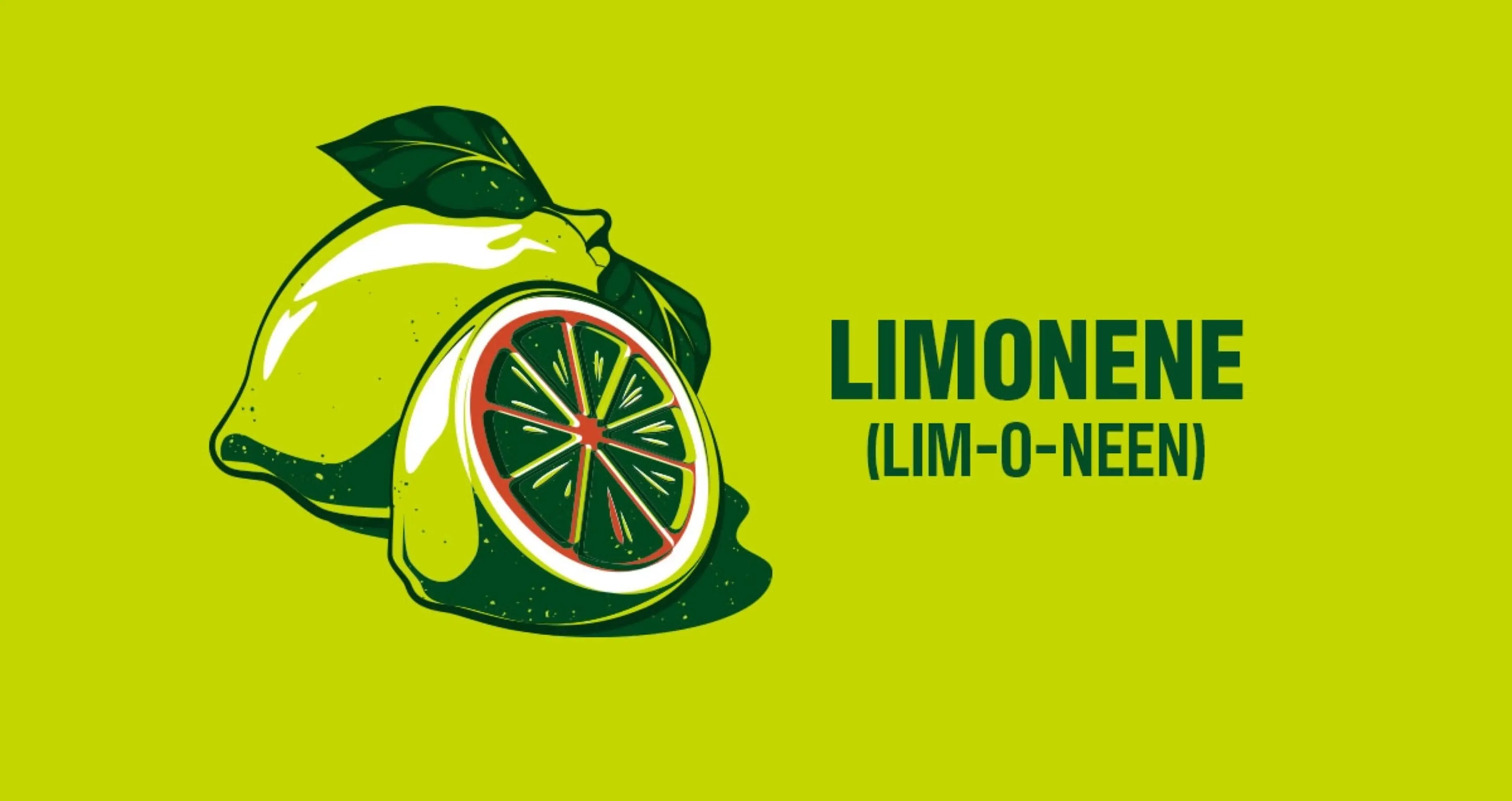
Limonene
Giving off a bright, citrusy smell, limonene is the second-most abundant terpene in all cannabis strains. Also found in all citrus fruits, limonene is commonly used in cosmetics and cleaning products. When consumed with cannabis, limonene is highly absorbed by inhalation and can help improve mood, reduce stress, and support the immune system. It has a vaporization point of 348.8°F.
Synergistic Compounds: Cannabidiol (CBD), Caryophyllene
Limonene Dominant Cannabis Strains: Durban Poison, Jack Herer, OG Kush, Sour Diesel, Super Lemon Haze
Pro Tip: Strains with “sour” or “lemon” in the name are typically rich in limonene.
Caryophyllene
Caryophyllene or beta-caryophyllene is a predominant terpene found in many cannabis strains. It has a distinct spicy, herbal aroma similar to the cloves and hops it can also be found in. It’s well-known for its pain relieving properties, however, caryophyllene is also known as an antidepressant that may relieve symptoms of anxiety. It has a vaporization point of 266°F.
Synergistic Compounds: Borneol, Cannabigerol (CBG)
Caryophyllene Dominant Cannabis Strains: Bubba Kush, Candyland, Chemdawg, Gelato, Girl Scout Cookies

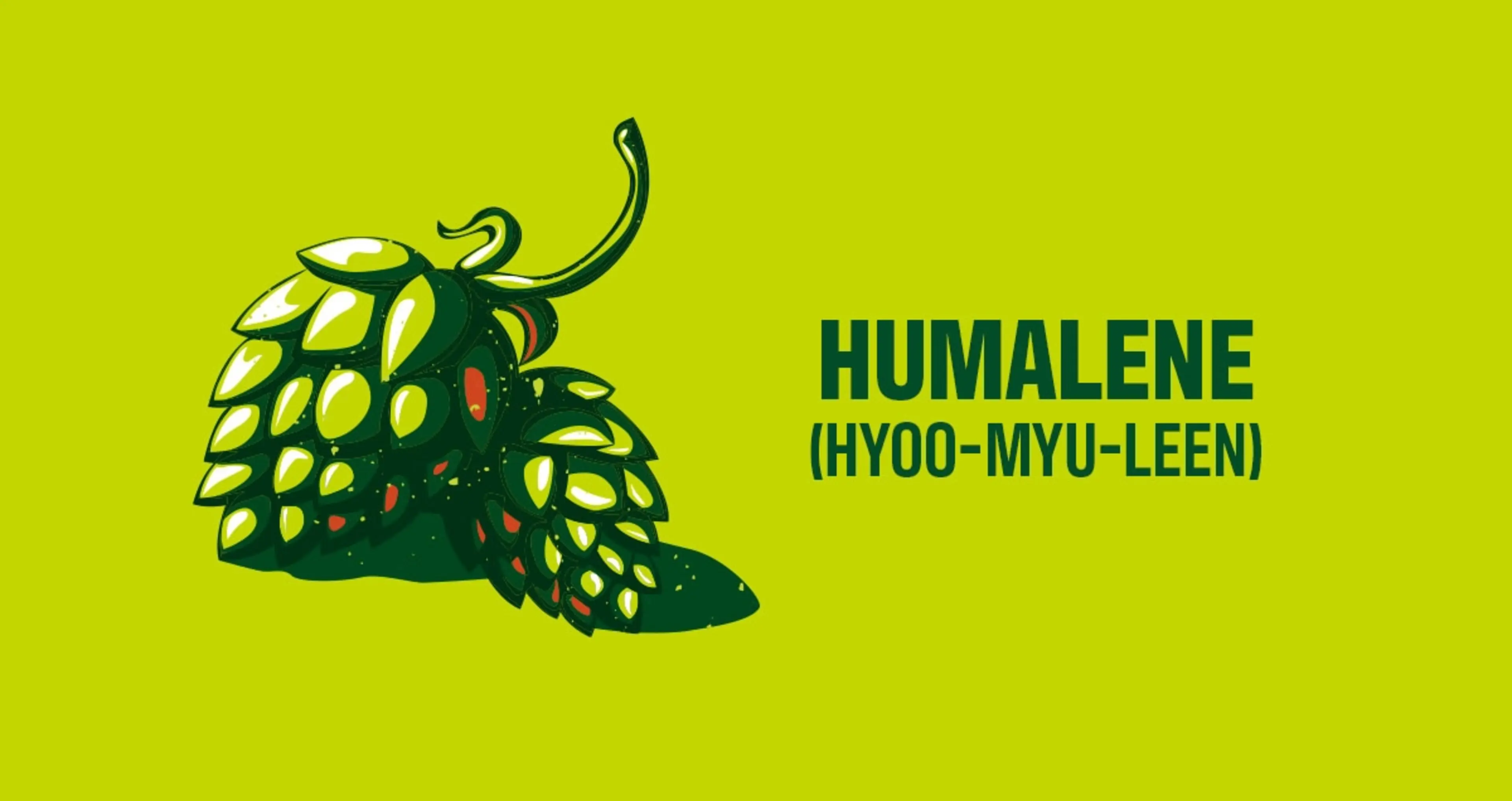
Humulene
Humulene receives its name from Humulus lupulus, which you likely know better as common hops. Just like its namesake, humulene evokes spicy, earthy scents similar to caryophyllene. Humulene is also one the predominant terpenes in cannabis and is heavily produced in the resin of mature plants. Researchers believe it displays tumor-fighting and anti-cancer properties when synergized with other phytocannabinoids. It has a vaporization point of 222.8°F.
Synergistic Compounds: Cannabidiol (CBD), Caryophyllene
Humulene Dominant Cannabis Strains: Bubba Kush, Candyland, Death Star, Original Glue, Sour Diesel
Pinene
As its name might suggest, pinene terpenes have a rich pine aroma. Also found in pine trees and various conifers, the sharp scent of pinene is often the first note you’ll recognize when smelling a pinene-rich cannabis strain. It’s been studied for the potential ability to combat inflammation and infection, and has been studied for it’s potential in fighting human cancer cells. It has a vaporization point of 313°F.
Synergistic Compounds: Citronellol, Guaiol
Pinene Dominant Cannabis Strains: Blue Dream, Bubba Kush, Chemdawg, Dutch Treat, Island Sweet Skunk

Linalool
Of all the cannabis terpenes on this list, linalool is most responsible for the distinct cannabis smell. Boasting rich, spicy and floral notes, linalool occurs in more than 200 species of plants and is most commonly known for giving lavender its distinct scent. Like the lavender, cinnamon, and coriander it's found in, linalool is also known for its sedative and relaxing properties and is best suited as a potential sleep aid. It has a vaporization point of 388.4°F.
Synergistic Compounds: Borneol, Geraniol
Linalool Dominant Cannabis Strains: Amnesia Haze, Lavender, LA Confidential, OG Shark, Special Kush

Borneol
Among the most common cannabis terpenes, borneol creates an herbal, woody aroma. Found in herbs like mint, rosemary, and camphor, borneol is an effective anti-inflammatory and pain reliever. It’s highly valued in traditional Chinese medicine to increase the effectiveness of other medicines and has proven effective as an anticoagulant for stroke patients. It has a vaporization point of 415°F.
Synergistic Compounds: Caryophyllene, Tetrahydrocannabinol (THC)
Borneol Dominant Cannabis Strains: Amnesia Haze, Girl Scout Cookies, Golden Haze, K13 Haze, Sour Diesel
Terpinolene
While the name terpinolene is often confused with terpineol, the two cannabis terpenes are quite different. Terpinolene features a bright, herbal aroma that’s much more citrusy than terpineol. Terpinolene is often found in other plants including rosemary, conifers, and apples. It has shown to be a central nervous system depressant in clinical trials, meaning it may help those with insomnia or anxiety. Terpinolene has a vaporization point of 361.4°F.
Synergistic Compounds: Borneol, Carene
Terpinolene Dominant Cannabis Strains: Dutch Treat, Golden Pineapple, Lemon Meringue, Orange Cookies, XJ-13

Nerolidol
Nerolidol has a complex scent most describe as woodsy and floral with melon and citrus notes. In nature, you can also find nerolidol in flowers like jasmine, neroli, lavender, and lemongrass. It has been studied for its potential as an antioxidant and anti-inflammatory compound, and has shown anti-anxiety properties in clinical studies. It has a vaporization point of 251.6°F.
Synergistic Compounds: Caryophyllene, Citronellol
Nerolidol Dominant Cannabis Strains: Blue Dream, Chemdawg, Jack Herer, Sweet Skunk, Skywalker OG
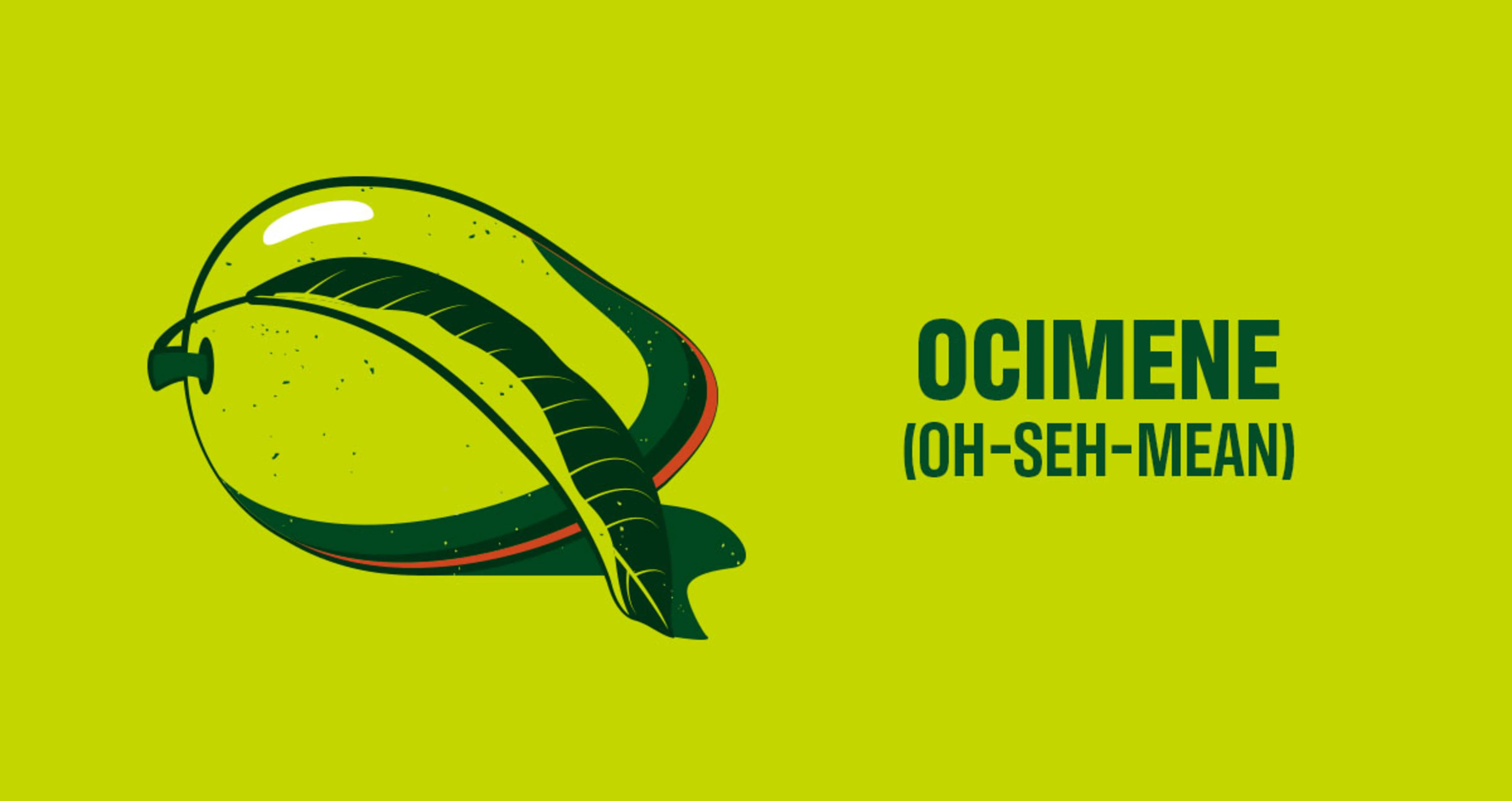
Ocimene
Found in a wide variety of plant life, including mint and mangoes, ocimene boasts a robust herbal scent that leans a bit on the sweet side. Like other cannabis terpenes, ocimene has been studied for its anti-inflammatory properties and may be helpful in the treatment of pain conditions. It has a vaporization point of 212°F.
Synergistic Compounds: Cannabigerol (CBG), Myrcene
Ocimene Dominant Cannabis Strains: Golden Goat, Harle-Tsu, OG Kush, Strawberry Cough, Sour Diesel.
Terpineol
Terpineol has a light, floral-like scent similar to the lilacs and apple blossoms it’s also found in. Unfortunately, terpineol is often found in cannabis cultivars that also contain high pinene levels, which mask the more delicate scent of terpineol. It has been researched for its potential antibiotic, antioxidant, and anti-inflammatory properties. Terpineol is typically associated with the sedative effects received from indica-dominant strains. It has a vaporization point of 426.2°F.
Synergistic Compounds: Guiaol, Pinene
Terpineol Dominant Cannabis Strains: Bubba Kush, Girl Scout Cookies, Jack Herer, OG Kush, White Widow
Eucalyptol
As the name might suggest, eucalyptol is the main terpene of the eucalyptus tree. The scent is noticeably minty and cool, however, most cannabis strains don’t contain significant concentrations of it. In fact, eucalyptol only makes up about 0.06% of a complete terpene profile. Medically, eucalyptol has shown potential to improve both brain function and memory. It has a vaporization point of 349°F.
Synergistic Compounds: Borneol, Caryophyllene
Eucalyptol Dominant Cannabis Strains: Bubba Kush, Dutch Treat, Girl Scout Cookies, Headband, Super Silver Haze
Camphene
Camphene boasts a rich, woodsy scent most commonly compared to damp fir needles. Aside from cannabis, camphene is also found in low concentrations in cypress and neroli oil. It’s shown great promise as anti-inflammatory and pain reliever, however, it’s most known for its potential in regulating cardiovascular health. It has a vaporization point of 318.2°F
Synergistic Compounds: Myrcene, Cannabidiol (CBD)
Camphene Dominant Cannabis Strains: Banana Kush, Ghost OG, Mendocino Purps, OG Kush, Strawberry Banana
Bisabolol
Also produced by the chamomile flower, the terpene bisabolol has a soft floral scent you can find in popular fragrances and cosmetics. Studies show that bisabolol may be a therapeutic candidate for the treatment of skin inflammation and offers both antifungal and antibacterial properties. It has a vaporization point of 307.4°F.
Synergistic Compounds: Cannabigerol (CBG), Cannabidiol (CBD)
Bisabolol Dominant Cannabis Strains: Headband, Master Kush, OG Shark, Pink Kush, Rockstar
Geraniol
Geraniol is a sweet, floral terpene found in geranium and lemon essential oils. Its scent is often compared to rose grass, making it a popular choice for cosmetics. But beyond its aroma, geraniol has shown potential as both a neuroprotectant and antioxidant. This means it may help preserve the function and structure of important nerve cells. It has a vaporization point of 446°F.
Synergistic Compounds: Borneol, Citronellol
Geraniol Dominant Cannabis Strains: Amnesia Haze, Afghani, Great White Shark, Headband, Island Sweet Skunk
Carene
Also referred to as Delta-3-carene, carene boasts a sweet, pine-like aroma. It’s commonly found in beneficial essential oils including juniper berry and cypress oil, as well as rosemary, cedar, and basil. Carene is known as a central nervous system depressant and is present in indica-dominant strains. It also may cause irritation when inhaled, which means high concentration in certain strains may cause coughing or itchy throat when smoked. It has a vaporization point of 338°F.
Synergistic Compounds: Caryophyllene, Terpinolene
Carene Dominant Cannabis Strains: Arjan’s Ultra Haze, Lemon Haze, Lemon Shining Silver Haze, Skunk XL, Super Silver Haze
Guaiol
With a strong pine scent, guaiol is a cannabis terpene also found in cypress pine and guaiacum shrubs. Similar to geraniol, guaiol has been examined for its potential cancer benefits. According to researchers, it may inhibit lung cancer cell growth. Guaiol also offers potential antibacterial and antioxidant properties, though it is not a dominant cannabis terpene. It has a vaporization point of 197.6°F.
Synergistic Compounds: Caryophyllene, Myrcene
Guaiol Dominant Cannabis Strains: Blue Kush, Chololope, Liberty Haze, Plushberry, White Widow
Citronellol
Citronellol features a citrusy floral scent you would expect from a citronella candle — mainly because citronellol is found in the leaves and stems of lemongrass in the form of citronella oil. You can also find citronellol in chamomile, geraniums, and roses. It boasts potential anti-inflammatory properties that may reduce the formation of cancer cells, especially among lung cancer patients. Citronellol has a vaporization point of 437°F.
Synergistic Compounds: Borneol, Geraniol
Citronellol Dominant Cannabis Strains: Amnesia Haze, Bubba Kush, Great White Shark, Headband, Island Sweet Skunk
Valencene
If you’re looking for a sweet citrus aroma, cannabis strains rich in valencene will be right up your alley. Receiving its name from sweet Valencia oranges, this cannabis terpene has a bright, zesty smell. Medical professionals have analyzed valencene for its potential medicinal properties, including anti-allergic effects. It has a vaporization point of 254°F.
Synergistic Compounds: Bisabolol, Limonene
Valencene Dominant Cannabis Strains: ACDC, Agent Orange, Durban Poison, Sour Diesel, Tangie
Phytol
Phytol is a unique terpene in cannabis produced by the natural degradation of chlorophyll, the compound that gives plants their green color. Unsurprisingly, phytol is also naturally produced in green tea. Its scent is both grassy and sweet. Researchers have analyzed phytol for its pain-relieving properties, and discovered that cannabis leaves with phytol may generate a relaxing, sedative effect once consumed. It has a vaporization point of 399.2°F.
Synergistic Compounds: Bisabolol, Camphene
Phytol Dominant Cannabis Strains: Banana Kush, Cheese, OG Kush, Sour Diesel, Strawberry Banana

Medical Potential of Cannabis Terpenes
When you head to a cannabis dispensary, chances are, you’re on the hunt for something with potential medical benefits. Fortunately, terpenes and their effects can help amplify the medical potential of cannabis strains. And as you can see by the above cannabis terpene profiles, each terpene has the potential to offer multiple health benefits.
Terpenes are actively studied for their medicinal properties that can be used to benefit various conditions.
Although the potential effects of each cannabis terpene vary from strain to strain, scientists are studying these potential medical benefits of synergizing THC and CBD cannabinoids with terpenes. [Source]
Benefits Associated with Terpenes
Analgesic abilities to relieve pain
Antibacterial properties to slow bacterial growth
Anti-mutagenic to help inhibit cell mutation, including cancer cells
Anti-allergy to help protect against ingested and contact-borne allergens
Anti-inflammatory properties to reduce inflammation systemically
Antipsychotic to relieve symptoms of psychosis
Antidepressant and anti-anxiety properties
Antispasmodic to suppress muscle spasms
Anti-insomnia to aid with sleep
The next time you visit a medical cannabis dispensary, such as one of our several RISE locations, ask your patient care specialist about the terpenes in your desired cannabis strain and how its terpene profile may work for you and your condition..

Get the lowdown on cannabis terpenes
With more than 200 different terpenes in cannabis strains around the world, it can be difficult to pinpoint which aromatic compounds you prefer or which could be best for your specific needs. That’s what we’re here for! If you have more questions about terpenes in cannabis, don’t be afraid to talk to one of our knowledgeable patient care specialists at your local RISE Dispensary today.


